The internet is evolving rapidly. From static websites in Web1 to interactive platforms in Web2, we are now entering the era of Web3—a decentralized, user-owned internet.
At the heart of Web3 lies blockchain technology, which enables secure, transparent, and trustless applications without relying on central authorities.
In this blog, we’ll explore how blockchain powers Web3 applications in a simple and practical way.
What is Blockchain?
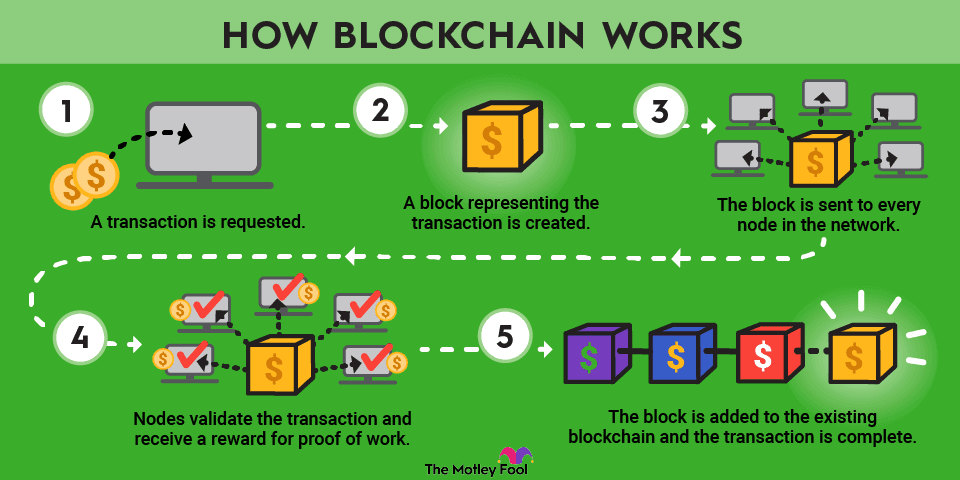
Blockchain is a distributed digital ledger that records transactions across multiple computers (nodes). Instead of storing data in a single server, it spreads data across a network, making it secure and tamper-proof.
Key Features of Blockchain:
- Decentralized: No central authority controls the data
- Transparent: Transactions are visible to everyone
- Immutable: Data cannot be altered once recorded
- Secure: Uses cryptography to protect information
Think of blockchain as a shared digital notebook that everyone can read, but no one can secretly change.
What is Web3?
Web3 is the next generation of the internet where users have full control over their data, identity, and assets.
Key Characteristics:
- User ownership instead of platform ownership
- Decentralized applications (dApps)
- Peer-to-peer transactions
- No intermediaries
Examples of Web3 applications include decentralized finance (DeFi), NFT marketplaces, and blockchain-based games.

How Blockchain Powers Web3 Applications
1. Decentralization (No Central Control)
In traditional Web2 applications, data is stored on centralized servers owned by companies.
In Web3, blockchain distributes data across multiple nodes. This means:
- No single entity controls the system
- Applications cannot be easily shut down
- Users have greater control and freedom
2. Smart Contracts (Automation Engine)
Smart contracts are self-executing programs stored on the blockchain. They automatically run when predefined conditions are met.
Example:
If a user sends payment → ownership of a digital asset is transferred automatically.
Use Cases:
- DeFi lending platforms
- NFT minting and trading
- DAO governance systems
Smart contracts eliminate the need for manual processes and intermediaries.
3. Trustless Transactions (No Middleman)
Blockchain enables peer-to-peer transactions without requiring trust between parties.
In Web2, you rely on banks or payment gateways.
In Web3, transactions happen directly between users.
Benefits:
- Faster transactions
- Lower fees
- No dependency on third parties
4. Digital Ownership (Assets & Identity)
In Web3, users truly own their digital assets through blockchain.
Examples:
- Cryptocurrencies (Bitcoin, Ethereum)
- NFTs (digital art, collectibles)
- Wallet-based identity systems
Ownership is secured using private keys, meaning only the owner can access or transfer assets.
5. Transparency and Security
Blockchain ensures that every transaction is:
- Publicly verifiable
- Cryptographically secured
- Permanently recorded
This makes Web3 applications highly secure and resistant to fraud or manipulation.

Real Example: NFT Marketplace Flow
Here’s how a typical Web3 application works:
- User connects their wallet (e.g., MetaMask)
- User selects an NFT and clicks “Buy”
- A smart contract is triggered
- Payment is processed on the blockchain
- Ownership is transferred to the buyer
No company or intermediary is involved in this process.
Web3 Tech Stack (For Developers)
If you are a developer, here’s the common Web3 stack:
- Frontend: React.js / Next.js
- Backend Interaction: Ethers.js / Web3.js
- Smart Contracts: Solidity
- Wallet Integration: MetaMask
- Storage: IPFS
Challenges of Blockchain in Web3
While powerful, blockchain also has limitations:
- High transaction (gas) fees
- Scalability issues
- Complex user experience
- Smart contract vulnerabilities
These challenges are being actively solved with new technologies like Layer 2 solutions.
Future of Web3
The future of Web3 powered by blockchain includes:
- Decentralized social media platforms
- Blockchain-based gaming ecosystems
- Digital identity systems
- Tokenization of real-world assets
Web3 has the potential to completely reshape how the internet works.
Conclusion
Blockchain is the backbone of Web3 applications. It enables decentralization, security, automation through smart contracts, and true digital ownership.
Without blockchain, Web3 would not be possible. As technology evolves, blockchain will continue to power the next generation of internet applications.