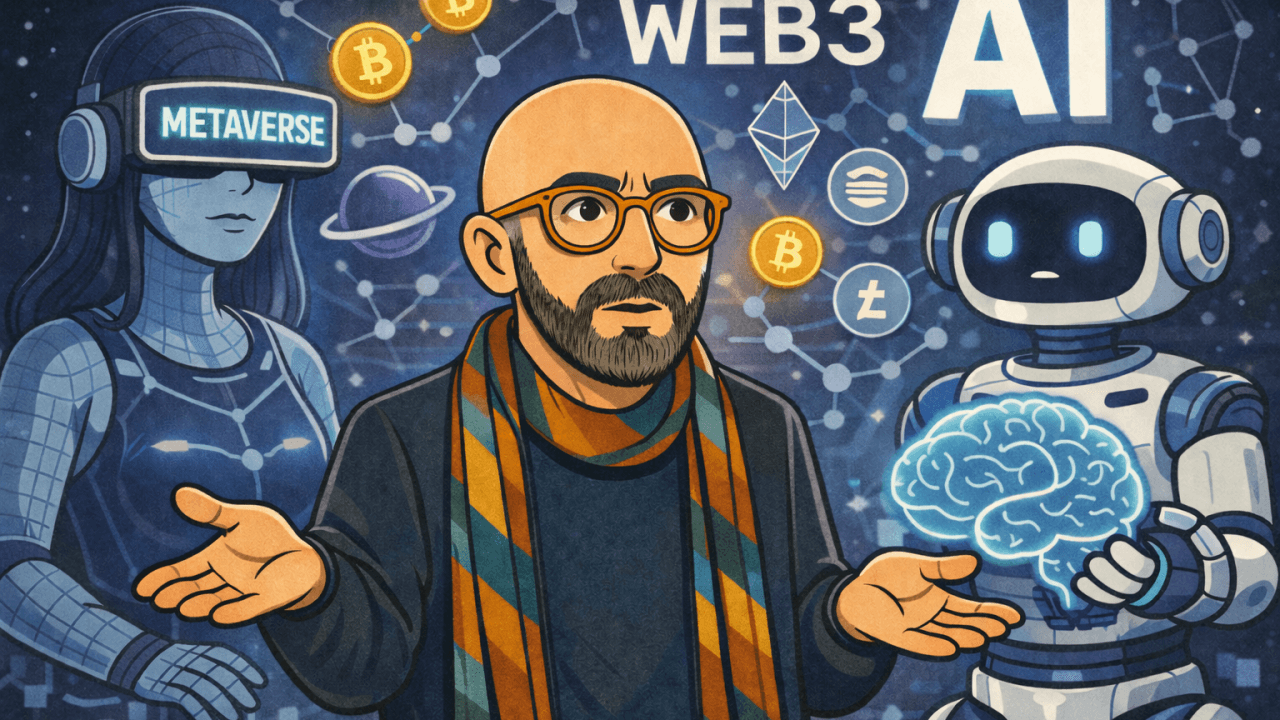
The internet has gone through multiple transformations since its inception. From static web pages in Web1 to dynamic, user-driven platforms in Web2, we are now entering the next evolution—Web3. But why does Web3 matter, and why is everyone talking about it?
Web3 represents a fundamental shift in how the internet operates. It focuses on decentralization, user ownership, transparency, and trustless systems powered by blockchain technology. Unlike traditional systems where big tech companies control data and platforms, Web3 empowers users to take control of their digital lives.
In this blog, we’ll explore why Web3 matters, how it works, its benefits, real-world use cases, challenges, and what the future holds.
Understanding Web Evolution: Web1 vs Web2 vs Web3
Web1 (Read-Only Internet)
- Static websites
- Limited interaction
- Users were only consumers of content
Web2 (Read-Write Internet)
- Social media platforms
- User-generated content
- Centralized control by corporations
Web3 (Read-Write-Own Internet)
- Decentralized applications (dApps)
- Blockchain-based systems
- Users own their data and digital assets
Web3 is often referred to as the “ownership layer of the internet.”

Why Web3 Matters
1. True Ownership of Data
In Web2, companies control your data. You generate content, but they own and monetize it.
Web3 changes this by allowing users to:
- Own their digital identity
- Control personal data
- Monetize their own content
With blockchain wallets, users become the owners of their online presence.
2. Decentralization Removes Middlemen
Web3 eliminates the need for intermediaries such as:
- Banks
- Payment processors
- Social media platforms
This leads to:
- Lower fees
- Faster transactions
- Increased efficiency
For example, sending money globally using blockchain can take minutes instead of days.
3. Trustless and Transparent Systems
Web3 operates on smart contracts, which are self-executing programs stored on blockchain networks.
Benefits:
- No need to trust a third party
- Transparent transactions
- Immutable records
This is especially useful in finance, supply chains, and voting systems.
4. Financial Inclusion (DeFi Revolution)
Decentralized Finance (DeFi) is one of the biggest reasons why Web3 matters.
It allows anyone with internet access to:
- Borrow and lend money
- Earn interest
- Trade assets without banks
This is transformative for people in countries with limited access to traditional banking systems.
5. Digital Ownership with NFTs
Web3 introduces NFTs (Non-Fungible Tokens), enabling true ownership of digital assets.
Examples:
- Digital art
- Music
- Virtual real estate
- Gaming items
Creators can sell directly to users without intermediaries and earn royalties.
6. Censorship Resistance
In centralized platforms, content can be controlled or removed.
Web3 ensures:
- Freedom of expression
- Decentralized hosting
- No single authority control
This is crucial for maintaining open and fair communication globally.
7. Enhanced Security and Privacy
Web3 uses cryptographic technologies to secure data.
Key advantages:
- No centralized data storage
- Private key ownership
- User-controlled access
Unlike Web2, where data breaches are common, Web3 offers a more secure alternative.
How Web3 Works
Web3 is built on several core technologies:
Blockchain
A distributed ledger that records transactions securely and transparently.
Smart Contracts
Self-executing contracts that automate processes.
Cryptocurrencies
Digital currencies used for transactions within Web3 ecosystems.
Decentralized Applications (dApps)
Applications that run on blockchain instead of centralized servers.
Real-World Use Cases of Web3
1. Decentralized Finance (DeFi)
Peer-to-peer financial systems without intermediaries.
2. Gaming (Play-to-Earn)
Players earn real money through blockchain-based games.
3. Supply Chain Management
Track goods transparently from origin to delivery.
4. Healthcare
Secure and share patient data safely.
5. Digital Identity
Users control their identity without relying on centralized authorities.
Benefits of Web3
- User empowerment
- Increased transparency
- Reduced costs
- Global accessibility
- Innovation in finance and technology
Challenges of Web3
1. Scalability Issues
Blockchain networks can be slow and expensive.
2. User Experience
Complex interfaces make adoption difficult.
3. Regulatory Uncertainty
Governments are still adapting to Web3.
4. Security Risks
Smart contract bugs and scams exist.
The Future of Web3
Web3 is still in its early stages, but its potential is enormous.
Future trends include:
- Integration with AI
- Metaverse development
- Improved scalability solutions
- Mass adoption by businesses
Major companies and startups are investing heavily in Web3 infrastructure.
Why Businesses Should Care About Web3
Businesses that adopt Web3 early can:
- Build trust with customers
- Reduce operational costs
- Create new revenue streams
- Stay ahead of competitors
Web3 is not just a trend—it’s a major shift in how the internet works.
Conclusion
Web3 matters because it represents a more open, fair, and user-centric internet. It shifts power from centralized corporations to individuals, enabling true ownership, transparency, and innovation.
While challenges remain, the potential benefits far outweigh the risks. As technology evolves, Web3 will likely become a core part of our digital lives.
If Web2 was about connecting people, Web3 is about empowering them.