Web3 is often described as the future of the internet, offering decentralization, transparency, and user ownership. However, like any emerging technology, it comes with its own set of challenges and limitations.
While Web3 promises to revolutionize digital interactions, it is still in its early stages and faces several hurdles that must be addressed before mass adoption can occur.
In this blog, we will explore the key disadvantages of Web3 and understand the risks associated with decentralized systems.
What is Web3?
Web3 is a decentralized version of the internet built on blockchain technology. It removes the need for centralized authorities and allows users to interact directly through smart contracts and decentralized applications (dApps).

Top Disadvantages of Web3
1. Scalability Issues
One of the biggest challenges of Web3 is scalability.
Blockchain networks often struggle to handle a large number of transactions at once.
Problems:
- Slow transaction speeds
- Network congestion
- High latency
Example:
Ethereum can process limited transactions per second compared to traditional systems.
2. High Transaction Costs
Web3 transactions often involve fees, especially on popular blockchains.
Issues:
- Gas fees can be very high
- Costs increase during network congestion
- Not suitable for microtransactions
3. Complex User Experience
Web3 is not beginner-friendly.
Challenges:
- Difficult wallet setup
- Private key management
- Technical knowledge required
This creates a barrier for mainstream users.
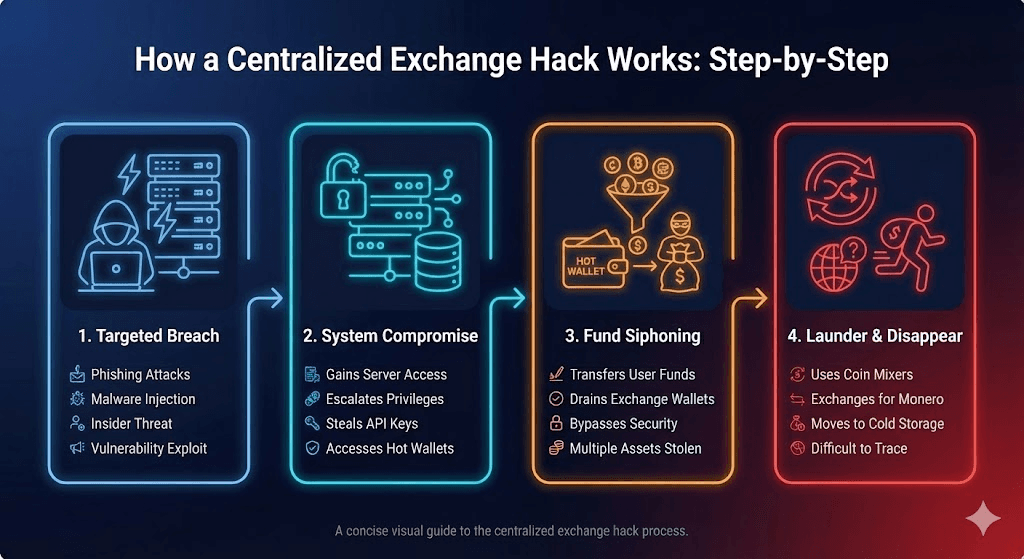
4. Security Risks
While blockchain is secure, Web3 applications can still be vulnerable.
Risks:
- Smart contract bugs
- Phishing attacks
- Wallet hacks
Once a transaction is completed, it cannot be reversed.
5. Regulatory Uncertainty
Web3 operates in a largely unregulated environment.
Issues:
- Lack of clear laws
- Government restrictions
- Legal risks for businesses
This creates uncertainty for investors and developers.
6. Irreversibility of Transactions
In Web3, transactions cannot be undone.
Problems:
- Mistaken transfers cannot be recovered
- Loss of funds due to human error
- No customer support to reverse actions
7. Environmental Concerns
Some blockchain networks consume a large amount of energy.
Issues:
- High electricity usage
- Environmental impact
- Sustainability concerns
8. Lack of Customer Support
Web3 eliminates intermediaries, but this also removes support systems.
Challenges:
- No central authority for help
- Users are responsible for their assets
- Difficult recovery of lost funds
9. Volatility of Cryptocurrencies
Cryptocurrencies are highly volatile.
Problems:
- Price fluctuations
- Financial risks
- Unstable value for transactions
10. Limited Adoption
Web3 is still developing and not widely adopted.
Issues:
- Limited user base
- Lack of awareness
- Fewer real-world applications
11. Storage Limitations
Storing large amounts of data on blockchain is expensive and inefficient.
Challenges:
- High storage costs
- Limited scalability
- Dependence on off-chain solutions
12. Interoperability Challenges
Not all blockchain networks can communicate with each other.
Problems:
- Fragmented ecosystem
- Limited compatibility
- Complex integrations
13. Risk of Centralization in Practice
Although Web3 promotes decentralization, some platforms still become centralized.
Issues:
- Control by a few large players
- Mining power concentration
- Governance issues
14. Legal and Compliance Risks
Businesses face legal challenges when adopting Web3.
Problems:
- Tax complications
- Compliance requirements
- Regulatory changes
15. Learning Curve
Web3 requires new skills and understanding.
Challenges:
- Understanding blockchain concepts
- Managing wallets and keys
- Learning new tools and platforms
Future Outlook
Despite these disadvantages, Web3 is evolving rapidly. Many solutions are being developed to address these issues, such as:
- Layer 2 scaling solutions
- Improved user interfaces
- Better regulations
- Energy-efficient blockchains
Conclusion
Web3 has the potential to transform the internet, but it is not without its challenges. Understanding the disadvantages helps users and developers make informed decisions.
Key takeaways:
- Web3 is powerful but still immature
- Security and usability need improvement
- Regulation is still unclear
- Adoption will take time
As technology improves, many of these challenges will be resolved, making Web3 more accessible and practical for everyday use.