The internet has evolved dramatically over the past few decades. From simple static pages to powerful interactive platforms and now decentralized ecosystems, each phase has transformed how we connect, communicate, and do business.
These phases are known as Web1, Web2, and Web3.
Understanding this evolution is important, especially as Web3 is emerging as the next big shift in technology. In this guide, we will break down Web1, Web2, and Web3 in simple terms, compare them, and explore why Web3 is considered the future of the internet.
What is Web1 (The Read-Only Web)
Web1 is the first generation of the internet, which existed from the early 1990s to the early 2000s.
Key Features
- Static web pages
- No user interaction
- Content created only by developers
- Basic HTML websites
In Web1, users could only read information. There was no way to comment, like, or create content.
Examples
- Early company websites
- Personal static pages
- Basic informational sites
Advantages
- Simple and fast
- Minimal security risks
- No data tracking
Disadvantages
- No interaction
- No user-generated content
- Very limited functionality
👉 Web1 = Read-only internet
What is Web2 (The Read-Write Web)
Web2 is the second phase of the internet and is what we use today.
It started in the early 2000s and introduced interactivity and social connectivity.
Key Features
- Dynamic and interactive websites
- User-generated content
- Social media platforms
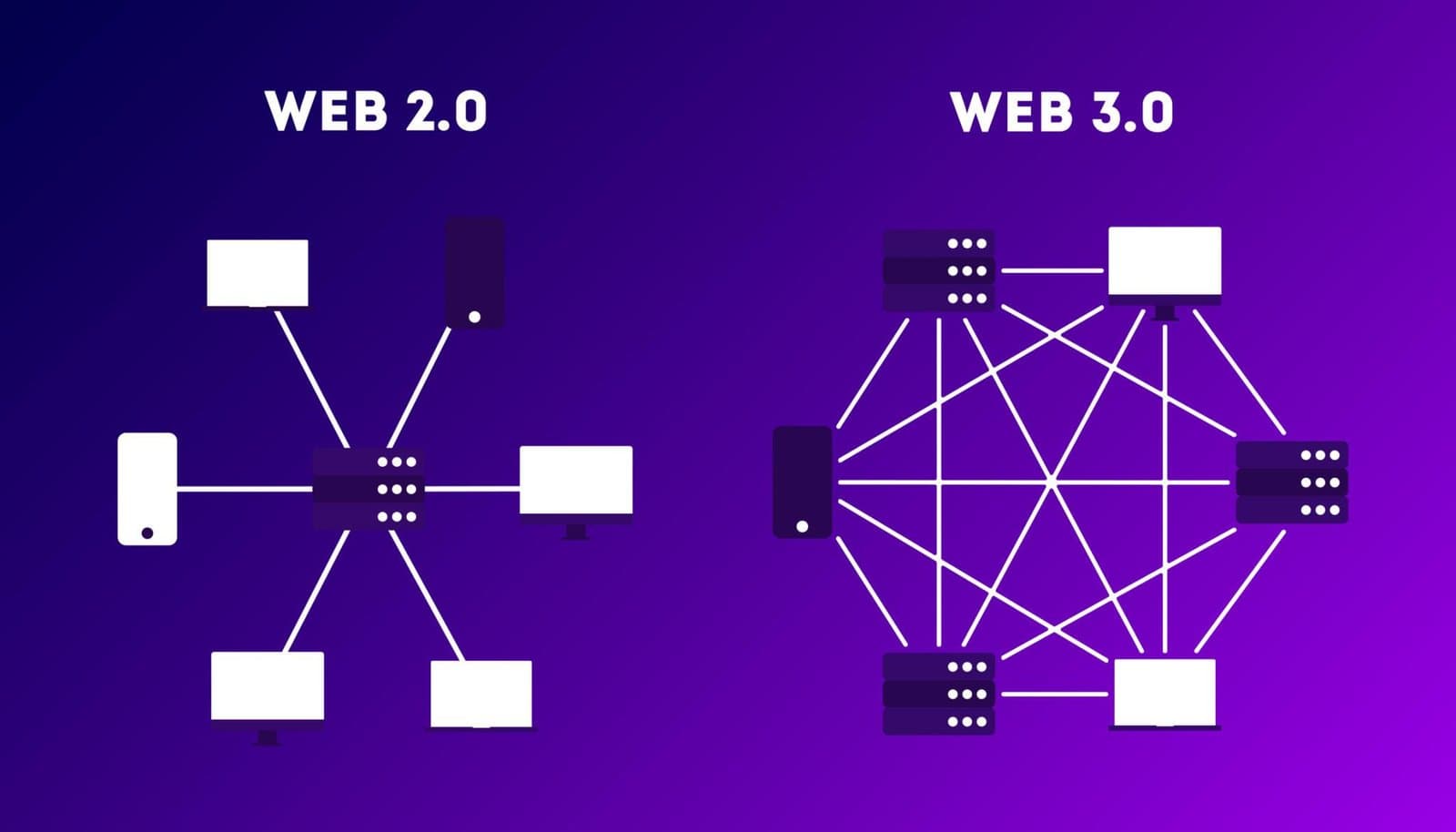
- Centralized systems
Web2 allows users to read and write content. You can post, comment, share, and interact.
Examples
- Social media platforms
- Blogging websites
- Video-sharing platforms
- E-commerce websites
Advantages
- High user interaction
- Easy content creation
- Global connectivity
- Community-driven platforms
Disadvantages
- Data privacy issues
- Centralized control by companies
- Risk of censorship
- Users do not own their data
👉 Web2 = Read + Write internet
What is Web3 (The Read-Write-Own Web)
Web3 is the latest evolution of the internet, focusing on decentralization, transparency, and ownership.
It is powered by blockchain technology.
Key Features
- Decentralized networks
- User data ownership
- Blockchain-based applications
- Token-based economy
Web3 allows users to read, write, and own their digital assets and data.
Examples
- Cryptocurrencies
- NFTs
- Decentralized applications (DApps)
- DeFi platforms
Advantages
- Full data ownership
- Better privacy
- No central authority
- Transparent systems
Disadvantages
- Difficult for beginners
- Scalability challenges
- Regulatory uncertainty
- Requires technical understanding
👉 Web3 = Read + Write + Own internet
Why Web3 is the Future
Web3 is becoming popular because it solves many problems of Web2.
1. Data Ownership
In Web2, companies control your data. In Web3, you own your data.
2. Decentralization
There is no single authority controlling the system.
3. Financial Freedom
With cryptocurrencies and DeFi, users can access financial services without banks.
4. Transparency
Blockchain ensures secure and transparent transactions.
Real-Life Example
Social Media Evolution
- Web1: You can only read content
- Web2: You can post, like, and comment
- Web3: You own your content and earn from it
Challenges of Web3
Despite its benefits, Web3 still has challenges:
- Slow adoption
- High transaction fees
- Lack of regulations
- Complex user experience
Future of the Internet
The future will likely combine Web2 and Web3.
We may see:
- More decentralized apps
- Better privacy-focused platforms
- Blockchain integration in everyday apps
- Growth of digital ownership
FAQs
1. What is the difference between Web1, Web2, and Web3?
Web1 is read-only, Web2 is read-write, and Web3 is read-write-own.
2. Is Web3 replacing Web2?
No, both will likely coexist.
3. Do I need coding to use Web3?
No, but basic knowledge is helpful.
4. Is Web3 safe?
Yes, but users must follow security practices.
Conclusion
The internet has evolved from static pages (Web1) to interactive platforms (Web2) and now to decentralized systems (Web3).
Web3 focuses on giving power back to users through ownership, privacy, and transparency. Although still developing, it has the potential to reshape the digital world.
Call to Action
Start learning Web3 today and stay ahead in the digital future.
Follow this blog for more guides, share this article, and explore blockchain technology.