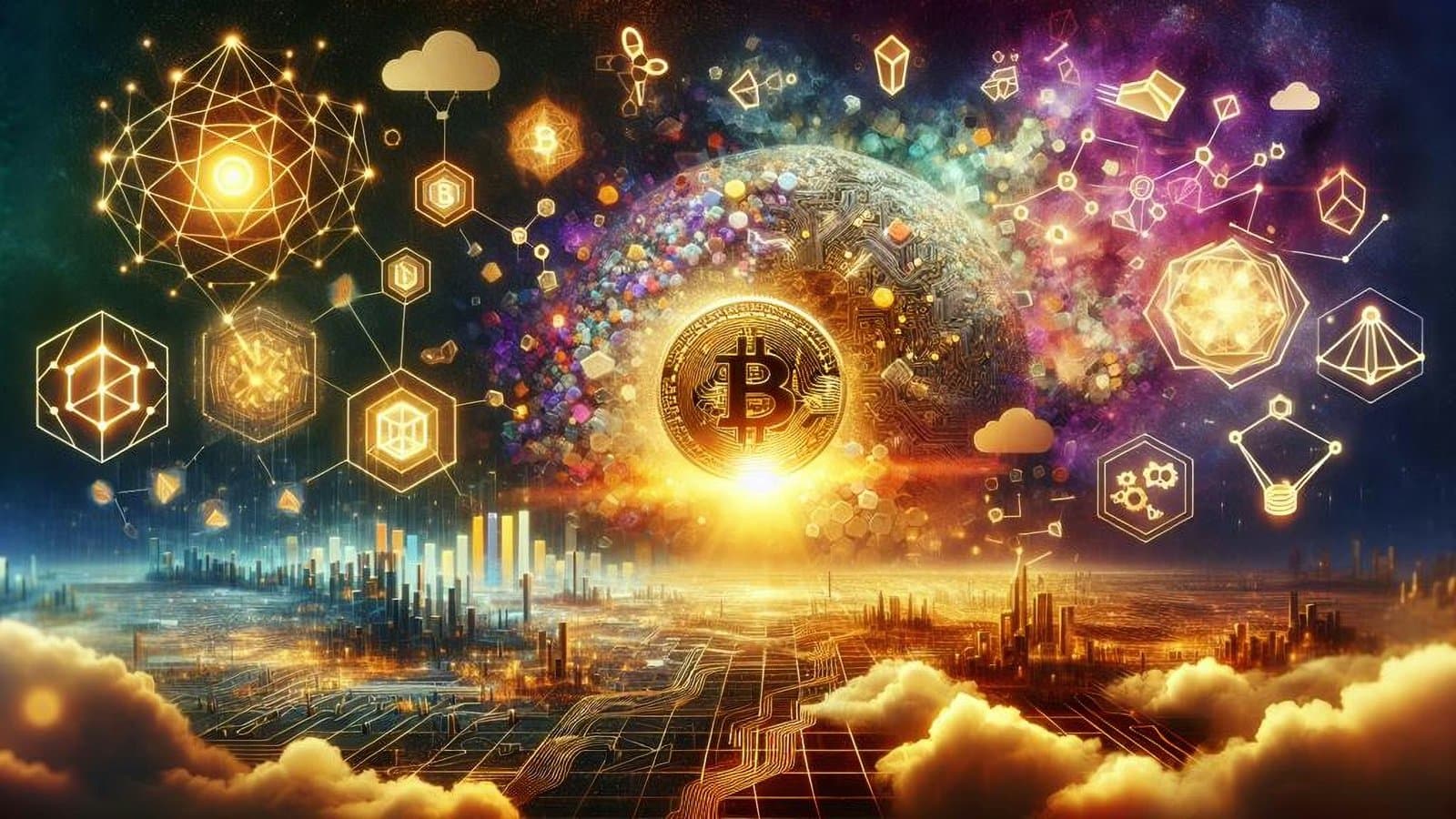
Web3 is rapidly emerging as the next evolution of the internet, promising a decentralized, transparent, and user-controlled digital ecosystem. Unlike traditional Web2 platforms dominated by centralized authorities, Web3 introduces technologies that give power back to users.
But what exactly makes Web3 so revolutionary?
In this blog, we will explore the key features of Web3 that are reshaping the digital world and driving innovation across industries.
🌐 What is Web3?
Web3 refers to a decentralized version of the internet powered by blockchain technology. It enables users to interact, transact, and own digital assets without relying on centralized intermediaries.
It combines technologies like:
- Blockchain
- Cryptocurrencies
- Smart contracts
- Decentralized applications (dApps)
🔑 Key Features of Web3
1. Decentralization
Decentralization is the foundation of Web3.
Instead of data being stored on a single server controlled by a company, it is distributed across multiple nodes in a network.
Benefits:
- No single point of failure
- Increased security
- Reduced control by corporations
This ensures that no central authority can manipulate or control the system.
2. Blockchain Technology
Blockchain acts as the backbone of Web3.
It is a distributed ledger that records transactions in a secure, transparent, and immutable way.
Key Advantages:
- Transparency
- Security
- Trust without intermediaries
Every transaction is verified and stored permanently.
3. User Ownership and Control
In Web3, users own their:
- Data
- Digital identity
- Assets
Unlike Web2, where platforms control user data, Web3 uses wallets to give full ownership to users.
This creates a user-first internet ecosystem.
4. Smart Contracts
Smart contracts are self-executing programs that run on blockchain networks.
They automatically execute actions when predefined conditions are met.
Example:
- Automatic payments
- Token transfers
- Agreement execution
This removes the need for intermediaries and increases efficiency.
5. Transparency and Trustlessness
Web3 systems are transparent and trustless.
- Transparent: All transactions are publicly visible
- Trustless: No need to trust a third party
Users rely on code and blockchain verification instead of organizations.
6. Permissionless Access
Web3 is open to everyone.
Anyone with an internet connection can:
- Access applications
- Participate in networks
- Create digital assets
There are no restrictions based on location or identity.
7. Interoperability
Web3 applications are designed to work together.
Users can:
- Move assets across platforms
- Use multiple services seamlessly
- Integrate different blockchain systems
This creates a connected and flexible ecosystem.
8. Tokenization
Web3 enables tokenization of assets.
This means real-world or digital assets can be represented as tokens on a blockchain.
Examples:
- Cryptocurrencies
- NFTs
- Tokenized real estate
Tokenization increases liquidity and accessibility.
9. Decentralized Applications (dApps)
dApps run on blockchain networks instead of centralized servers.
Features:
- Open-source
- Transparent
- Resistant to censorship
Users interact directly with the application without intermediaries.
10. Enhanced Security and Privacy
Web3 improves security using cryptography.
Benefits:
- Secure transactions
- Private data ownership
- Reduced risk of hacks
Users control access through private keys.
11. Censorship Resistance
Web3 platforms cannot be easily controlled or shut down.
This ensures:
- Freedom of speech
- Open access to information
- No centralized control
It is especially important in regions with restricted internet access.
12. Decentralized Finance (DeFi)
DeFi is a major feature of Web3.
It allows users to:
- Borrow and lend funds
- Trade assets
- Earn interest
All without traditional banks or financial institutions.
🌍 Real-World Applications of Web3 Features
- Cryptocurrency transactions
- NFT marketplaces
- Blockchain gaming
- Supply chain tracking
- Decentralized social media
These applications show how Web3 is already transforming industries.
📈 Benefits of Web3 Features
- Greater user control
- Improved transparency
- Lower costs
- Global accessibility
- Innovation opportunities
⚠️ Challenges of Web3 Features
- Complex user experience
- Scalability issues
- Regulatory concerns
- Security vulnerabilities in smart contracts
Despite these challenges, Web3 continues to evolve rapidly.

🔮 The Future of Web3 Features
As technology advances, Web3 features will become:
- More user-friendly
- Faster and scalable
- Widely adopted
Integration with AI and the metaverse will further enhance its capabilities.
🏁 Conclusion
Web3 is redefining how the internet works by introducing decentralization, transparency, and user ownership. Its key features provide a strong foundation for a more open and secure digital world.
While challenges remain, the potential of Web3 is undeniable. It is not just an upgrade—it is a complete transformation of the internet.
📢 Final Thoughts
Understanding the key features of Web3 is essential for developers, businesses, and users who want to stay ahead in the digital era.
Web3 is not just the future—it is already here, and it is changing everything.