
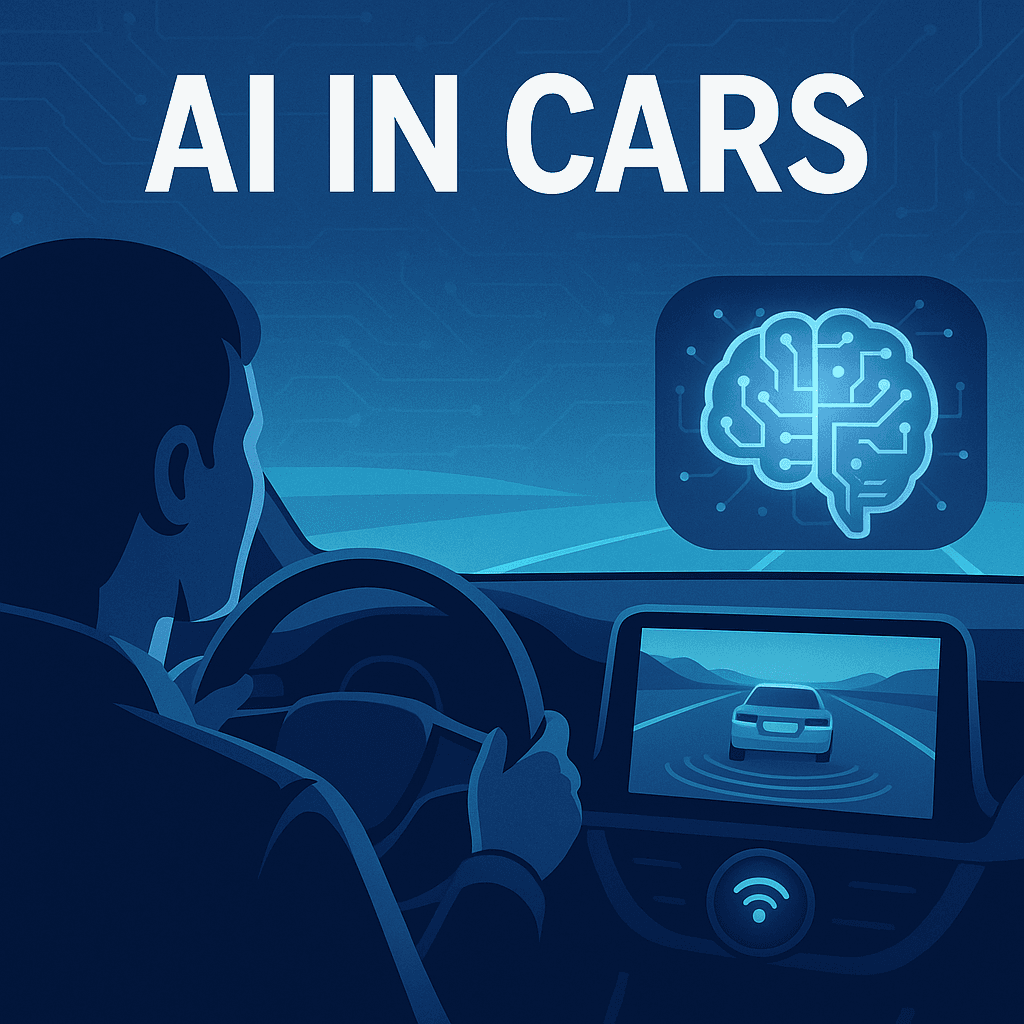
Introduction to AI in Cars
In recent years, artificial intelligence (AI) has made significant strides across various industries, and the automotive sector is no exception. From self-driving technology to smart infotainment systems, AI is revolutionizing the way we interact with our vehicles.
How AI Enhances Vehicle Safety
One of the primary benefits of AI in cars is its potential to enhance safety. AI systems can process vast amounts of data from sensors and cameras to detect hazards.
Advanced Driver Assistance Systems (ADAS)
ADAS employs AI to provide features such as:
- Automatic emergency braking
- Lane-keeping assistance
- Adaptive cruise control
- Collision detection
These features help reduce the risk of accidents and make driving safer for everyone on the road.
The Rise of Autonomous Vehicles
Autonomous vehicles, or self-driving cars, are at the forefront of AI technology. Companies like Tesla, Waymo, and Uber are investing heavily in developing vehicles that can navigate without human input.
Levels of Automation
The Society of Automotive Engineers (SAE) defines several levels of automation:
- Level 0: No automation
- Level 1: Driver assistance
- Level 2: Partial automation
- Level 3: Conditional automation
- Level 4: High automation
- Level 5: Full automation
As technology advances, we can expect more vehicles to reach higher levels of automation, fundamentally changing transportation.
AI in Vehicle Maintenance
AI is also making waves in vehicle maintenance. Predictive maintenance tools use AI algorithms to analyze vehicle data, predicting when a part might fail or require servicing.
Benefits of Predictive Maintenance
- Reduces unexpected breakdowns
- Minimizes repair costs
- Extends vehicle lifespan
By implementing AI-driven maintenance strategies, car owners can save time and money while ensuring their vehicles remain in optimal condition.
Smart Infotainment Systems
Modern vehicles are equipped with advanced infotainment systems that leverage AI to enhance the driving experience.
Personalized Experience
AI can learn from driver behavior and preferences, providing:
- Customized navigation suggestions
- Recommended music playlists
- Adaptive climate control
This personalized approach not only improves comfort but also increases driver satisfaction.
Challenges and Concerns
Despite the many benefits, the integration of AI in cars also raises concerns, particularly regarding privacy and security.
Data Privacy
Vehicles equipped with AI often collect vast amounts of data, including location and driving habits. Ensuring this data is protected from breaches is crucial.
Cybersecurity Risks
As vehicles become more connected, the risk of cyberattacks increases. Automakers need to implement robust security measures to protect their systems.
The Future of AI in the Automotive Industry
Looking ahead, the role of AI in cars is expected to expand even further. Innovations in machine learning and computer vision will continue to drive advancements.
Potential Developments
Future trends may include:
- Enhanced vehicle-to-everything (V2X) communication
- Improved energy management in electric vehicles
- Greater integration with smart city infrastructure
Conclusion
AI is undeniably reshaping the automotive landscape, offering improved safety, efficiency, and convenience. As technology advances, drivers can look forward to a future where AI plays an even more significant role in their daily journeys.