
Introduction
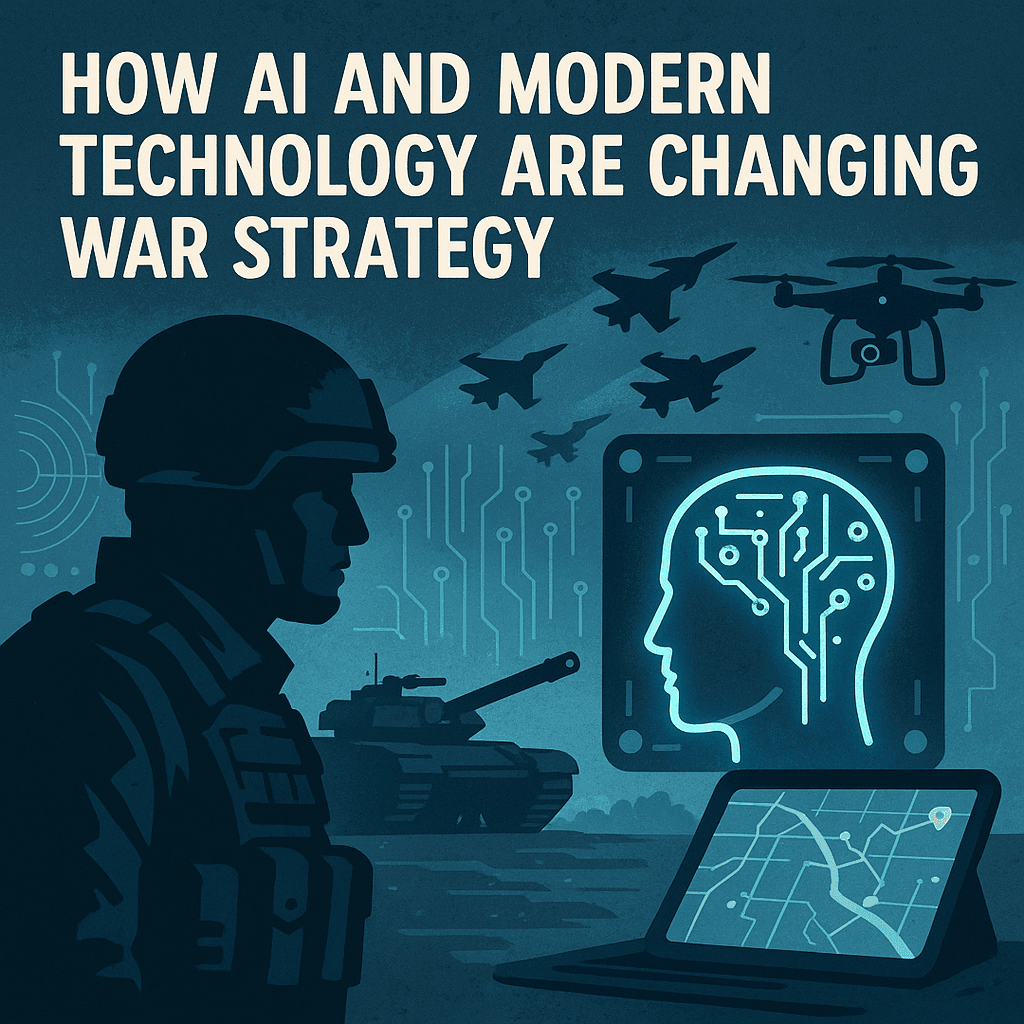
In the 21st century, the landscape of warfare is undergoing a seismic shift. Artificial Intelligence (AI) and modern technology are not just augmenting traditional military tactics; they are redefining them altogether. This blog delves into the profound implications of these advancements on war strategy.
The Rise of AI in Military Operations
AI is revolutionizing how militaries operate. From decision-making processes to the automation of various tasks, AI is enhancing operational efficiency.
Decision Support Systems
AI-driven decision support systems analyze vast amounts of data in real-time, providing commanders with actionable insights. This capability allows for quicker and more informed decisions on the battlefield.
Predictive Analytics
Using predictive analytics, military strategists can anticipate enemy movements and prepare accordingly. This foresight gives a significant tactical advantage.
Autonomous Weapons Systems
One of the most controversial uses of AI in warfare is the development of autonomous weapons systems. These systems can operate without human intervention, raising ethical and moral questions.
Advantages of Autonomous Systems
- Increased precision in targeting
- Reduced risk to human soldiers
- Rapid response capabilities
Concerns and Challenges
Despite the advantages, there are serious concerns regarding the use of autonomous weapons. Issues of accountability, decision-making ethics, and the potential for escalation need to be addressed.
Cyber Warfare and Information Dominance
Modern conflicts are not limited to physical battlefields. Cyber warfare has become a critical component of military strategy, with nations investing heavily in cybersecurity and offensive cyber capabilities.
The Role of AI in Cybersecurity
AI enhances cybersecurity by detecting threats and responding to them in real-time, allowing for better protection of sensitive military data.
Information Warfare
Controlling the narrative and manipulating information is a crucial strategy in modern warfare. AI algorithms can analyze social media and other platforms to influence public perception and enemy morale.
Data-Driven Warfare
Data has become a weapon in itself. The ability to gather, analyze, and act on data can determine the outcome of conflicts.
Intelligence, Surveillance, and Reconnaissance (ISR)
AI is transforming ISR operations by providing enhanced data analytics capabilities. Drones and satellites equipped with AI can gather intelligence more efficiently than ever before.
Real-time Battlefield Monitoring
With AI, military forces can achieve real-time monitoring of the battlefield, allowing for swift adaptations in strategy and tactics.
The Future of Warfare
As AI and technology continue to evolve, so too will their implications for warfare. The future could see:
- Increased reliance on AI for strategic planning
- Fully autonomous military operations
- Enhanced collaboration between human and machine forces
Conclusion
The integration of AI and modern technology into military strategy presents both opportunities and challenges. As nations strive to maintain a competitive edge, understanding these changes is crucial for military leaders and policymakers alike.