Introduction
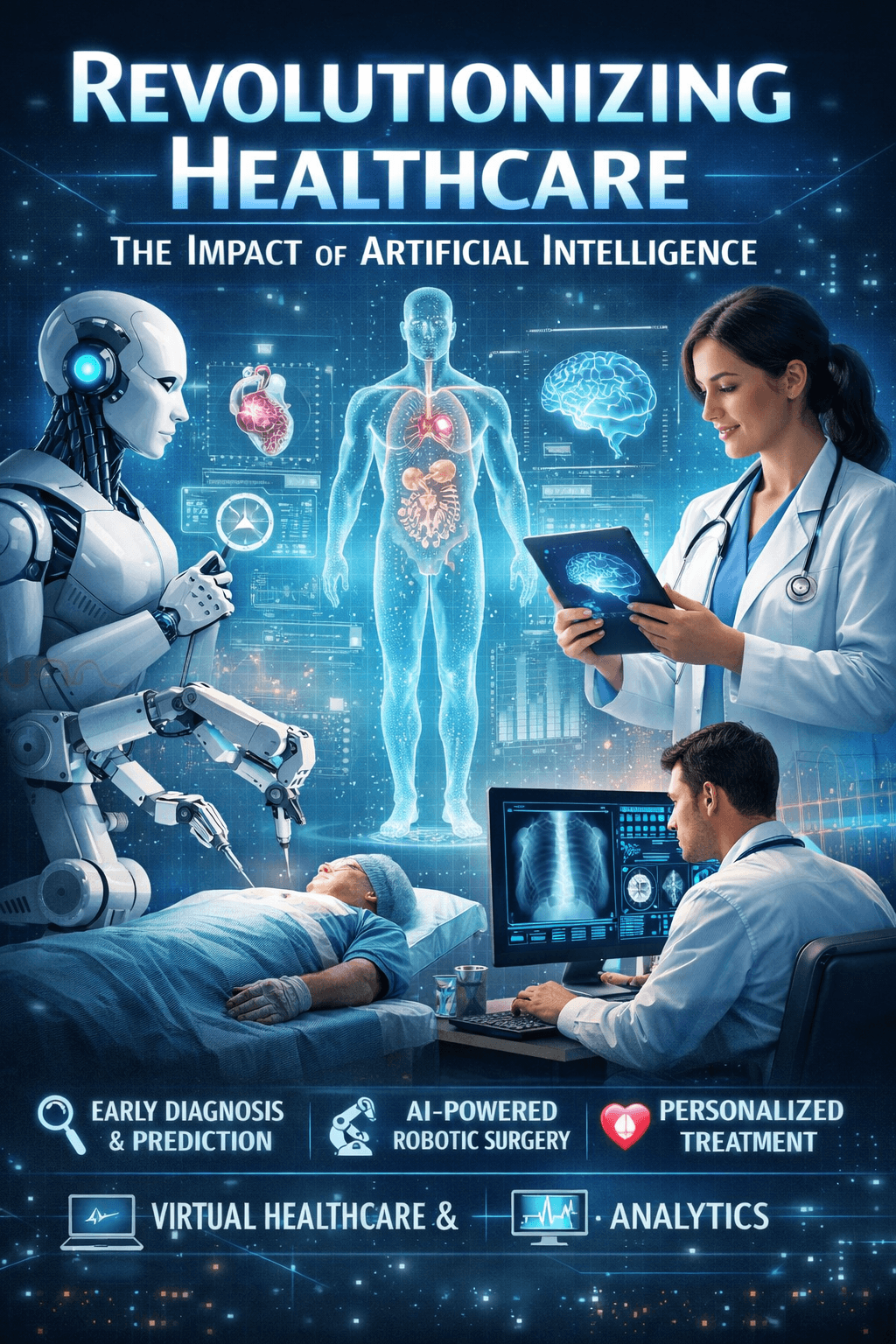
In recent years, artificial intelligence (AI) has emerged as a groundbreaking force in various industries, and healthcare is no exception. The integration of AI technologies into healthcare systems is reshaping the way medical professionals diagnose, treat, and manage patient care. This blog delves into the multifaceted applications of AI in healthcare, highlighting its benefits, challenges, and future prospects.
The Role of AI in Diagnostics
One of the most significant advancements AI has brought to healthcare is its ability to enhance diagnostics. Traditional diagnostic methods can be time-consuming and prone to human error. AI algorithms can analyze vast amounts of data with incredible speed and accuracy.
Machine Learning and Imaging
Machine learning models, particularly in medical imaging, have shown remarkable potential. These models can accurately detect anomalies in images, such as X-rays, MRIs, and CT scans. For instance:
- Breast Cancer Detection: AI algorithms can identify early signs of breast cancer with higher accuracy than radiologists.
- Diabetic Retinopathy: Machine learning tools can screen for diabetic retinopathy, helping prevent blindness in diabetic patients.
Natural Language Processing
Natural Language Processing (NLP) is another area where AI contributes to diagnostics. NLP helps in:
- Extracting relevant information from patient records.
- Identifying patterns in symptoms reported by patients.
- Enhancing clinical decision support systems.
Personalized Treatment Plans
AI also plays a critical role in developing personalized treatment plans tailored to individual patients. By analyzing data from various sources, AI can assist healthcare providers in determining the most effective treatment strategies.
Predictive Analytics
Predictive analytics uses historical data to forecast patient outcomes. For example:
- AI can predict which patients are at risk of developing specific conditions based on their medical history.
- It can recommend preventive measures to mitigate these risks.
Drug Discovery and Development
The pharmaceutical industry benefits tremendously from AI in drug discovery. AI algorithms can analyze biological data to identify potential drug candidates faster than traditional methods. This leads to:
- Reduced time in bringing drugs to market.
- Lower research and development costs.
Operational Efficiency
AI enhances operational efficiency within healthcare organizations by streamlining administrative tasks and optimizing resource allocation.
Automating Administrative Tasks
Administrative tasks such as scheduling appointments, managing patient records, and billing can be automated using AI technologies. This reduces the burden on healthcare staff, allowing them to focus on patient care.
Resource Management
AI can optimize resource management by predicting patient influx and aligning staffing needs accordingly. Hospitals can utilize AI to:
- Forecast peak patient times and adjust staffing levels.
- Manage inventory of medical supplies efficiently.
Challenges and Ethical Considerations
Despite the promising benefits, the integration of AI in healthcare also presents challenges and ethical concerns.
Data Privacy
With the increasing use of AI, patient data privacy becomes a significant concern. Ensuring that sensitive health information is protected is paramount.
Bias in Algorithms
AI systems can inherit biases present in their training data, leading to unequal treatment outcomes. It is crucial to:
- Implement diverse datasets for training AI models.
- Regularly audit AI systems for biases.
The Future of AI in Healthcare
The future of AI in healthcare is bright, with ongoing research and advancements promising even more innovative solutions. As technology evolves, we can expect:
- Greater integration of AI with wearable health devices.
- Enhanced telemedicine solutions powered by AI.
Conclusion
Artificial intelligence is undoubtedly revolutionizing healthcare, making it more efficient, personalized, and accessible. As we navigate the challenges and ethical considerations, the potential for AI to improve patient outcomes and transform the healthcare landscape is immense. Embracing this technology can lead to a healthier future for all.